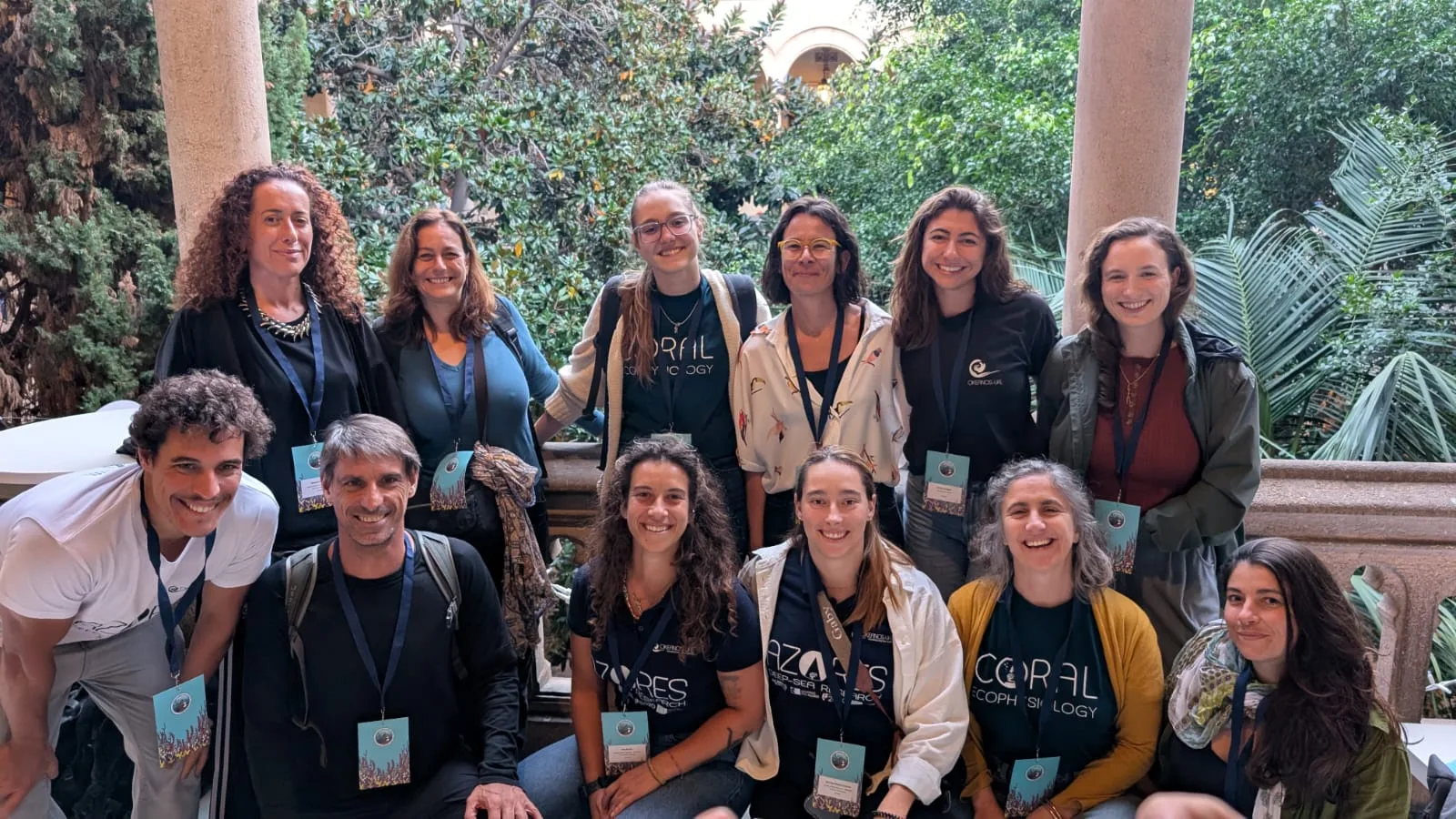
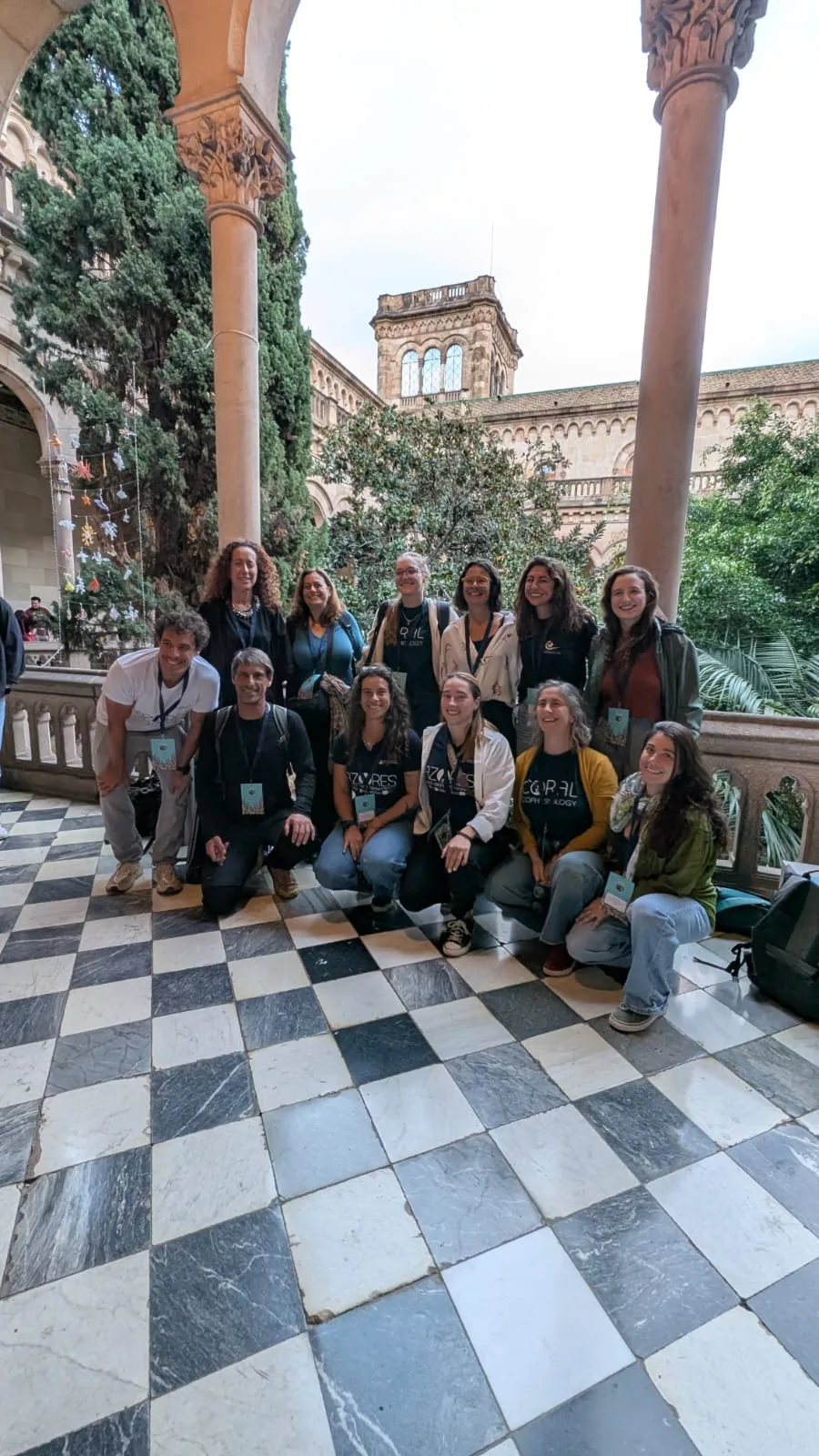
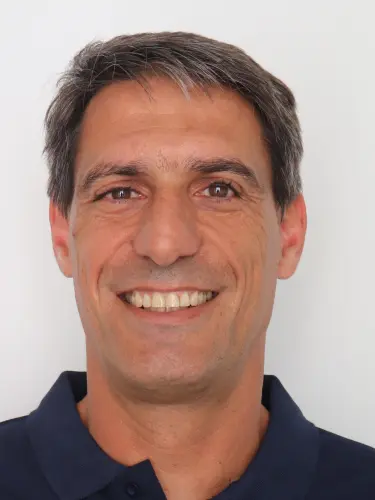
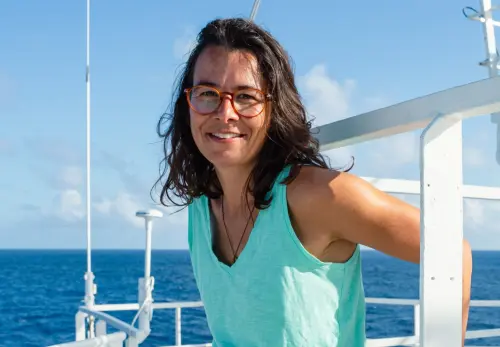
From November 2 to 5, researchers from the Institute of Marine Sciences - OKEANOS, at the University of the Azores, are participating in the
9th International Deep-Sea Coral Symposium in Barcelona, Spain. The event brings together experts from around the world to share the latest scientific advances on these marine ecosystems.
The Institute is represented by researchers from the
Azores Deep-Sea Research Group who have gathered at this international meeting to present their work and contribute to scientific discussions surrounding deep-sea corals.
Over four days, the scientific program is organized around four main themes: diversity and distribution, environmental conditions, biology and ecology, and conservation. This structure addresses multiple dimensions of knowledge regarding deep-sea corals, ranging from the characterization of communities and habitats to the responses of these organisms to environmental changes and conservation challenges.
OKEANOS's participation includes several scientific presentations, both as oral communications and poster presentations, reflecting the broad scope of research conducted at the Institute.
Poster Presentations
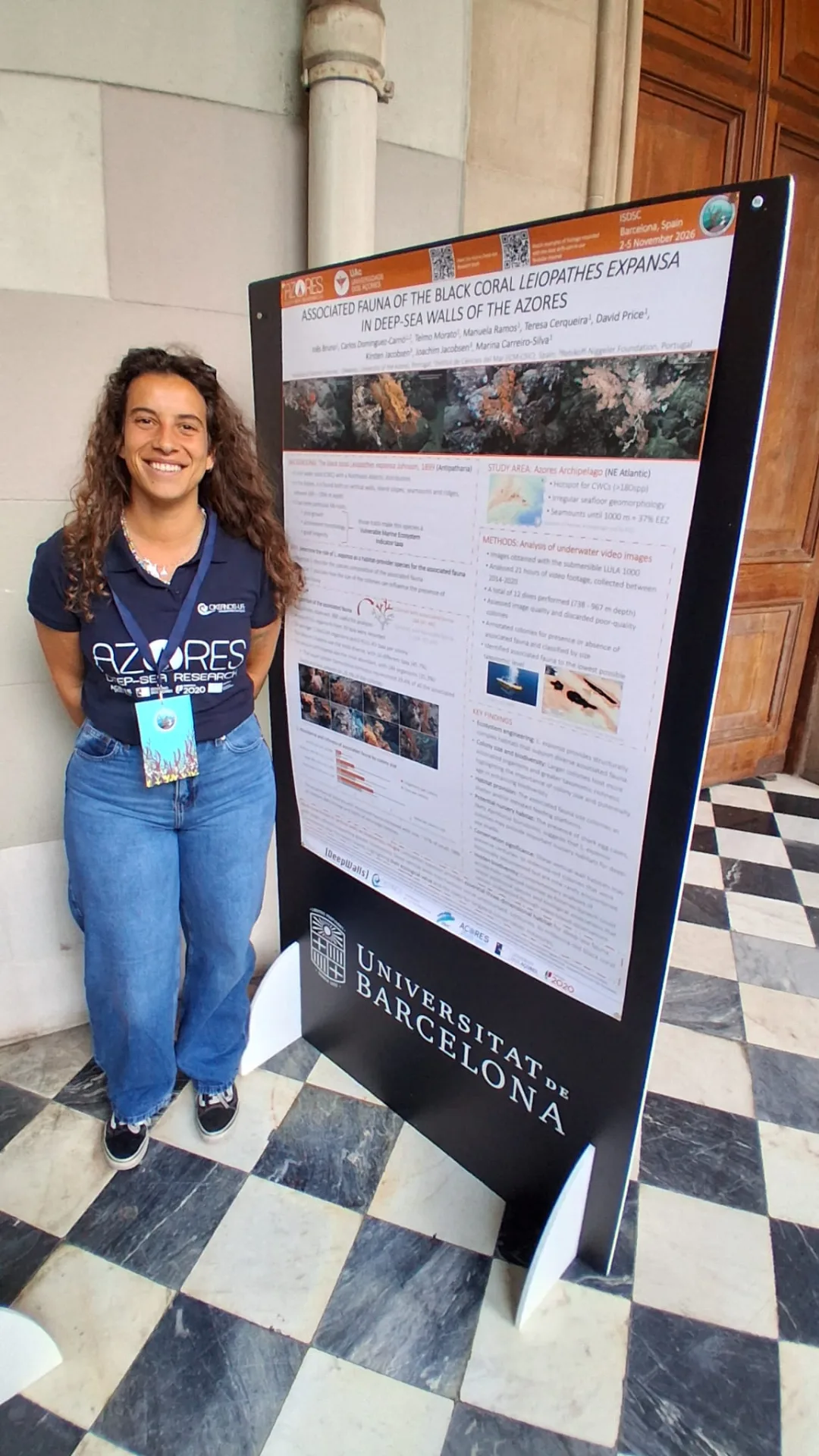
- Inês Bruno – Associated fauna of the black coral species Leiopathes expansa in deep-sea walls of the Azores
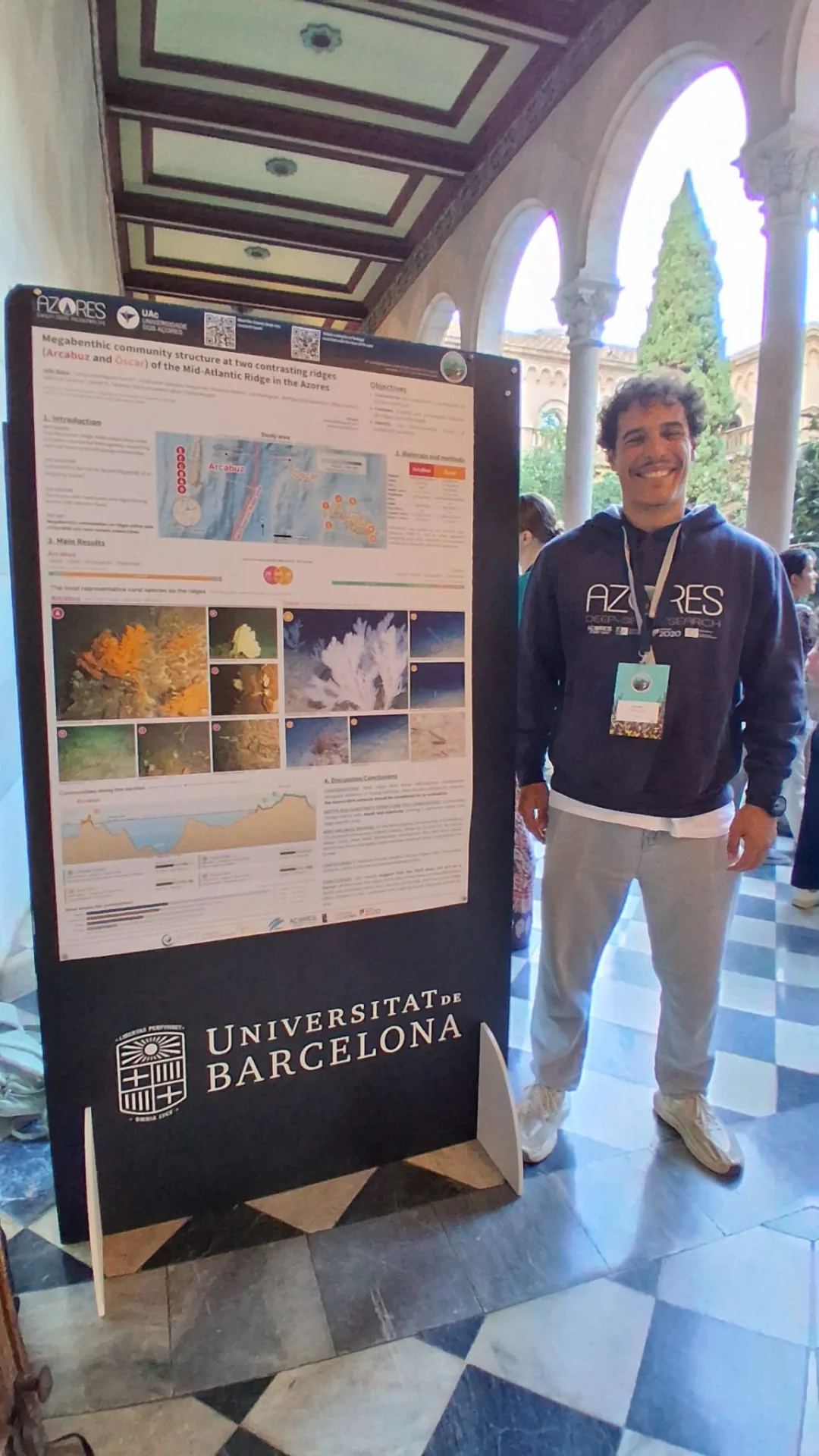
- João Balsa – Megabenthic community structure at two opposing ridges (Arcabuz and Óscar) of the Mid-Atlantic Ridge in the Azores
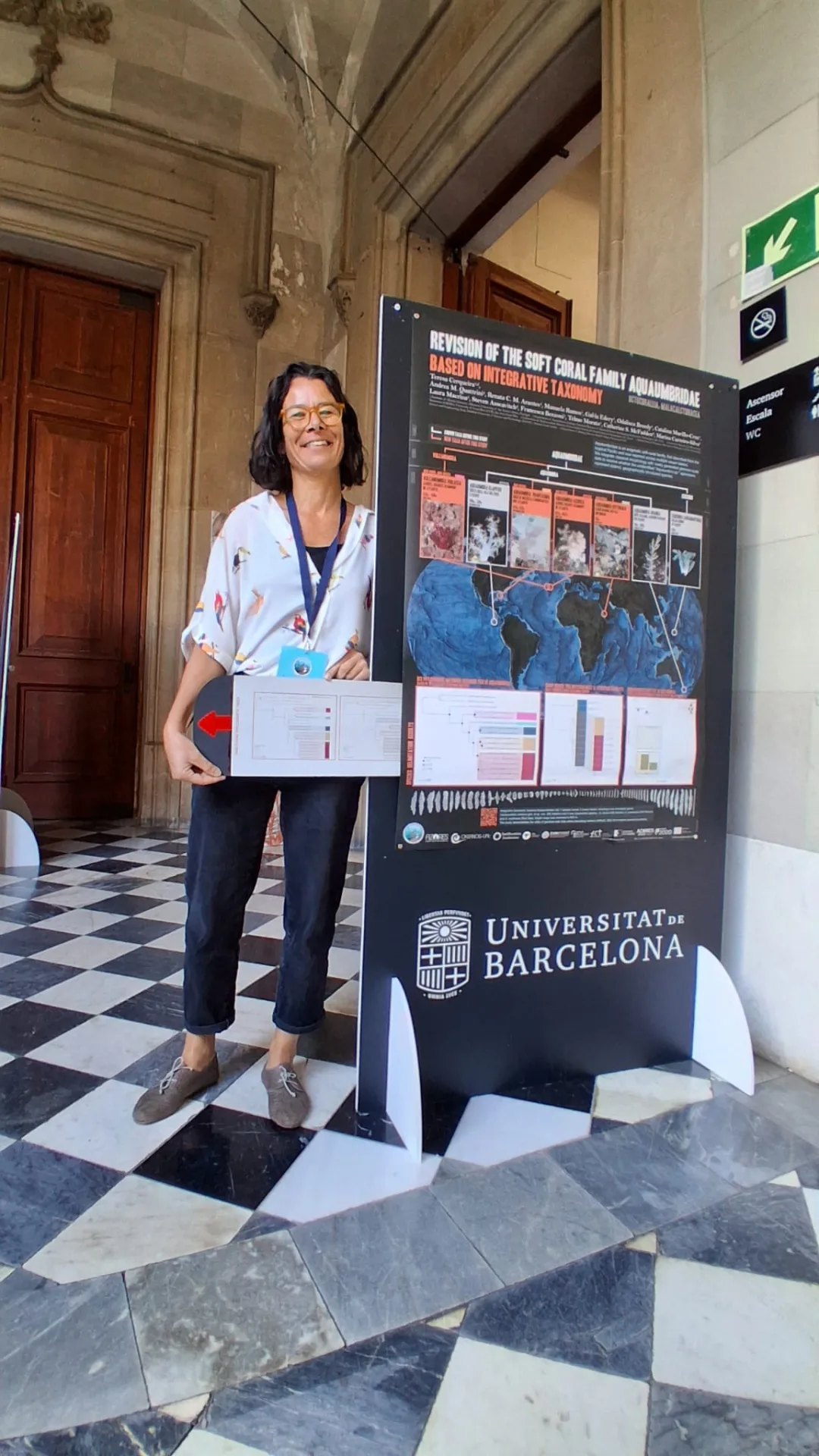
- Teresa Cerqueira – Revision of the soft coral family Aquaumbridae (Octocorallia, Malacalcyonacea) based on integrative taxonomy
- Inês Martins – Cumulative impacts of ocean acidification and copper exposure on the cold-water coral Viminella flagellum: A transcriptomic approach
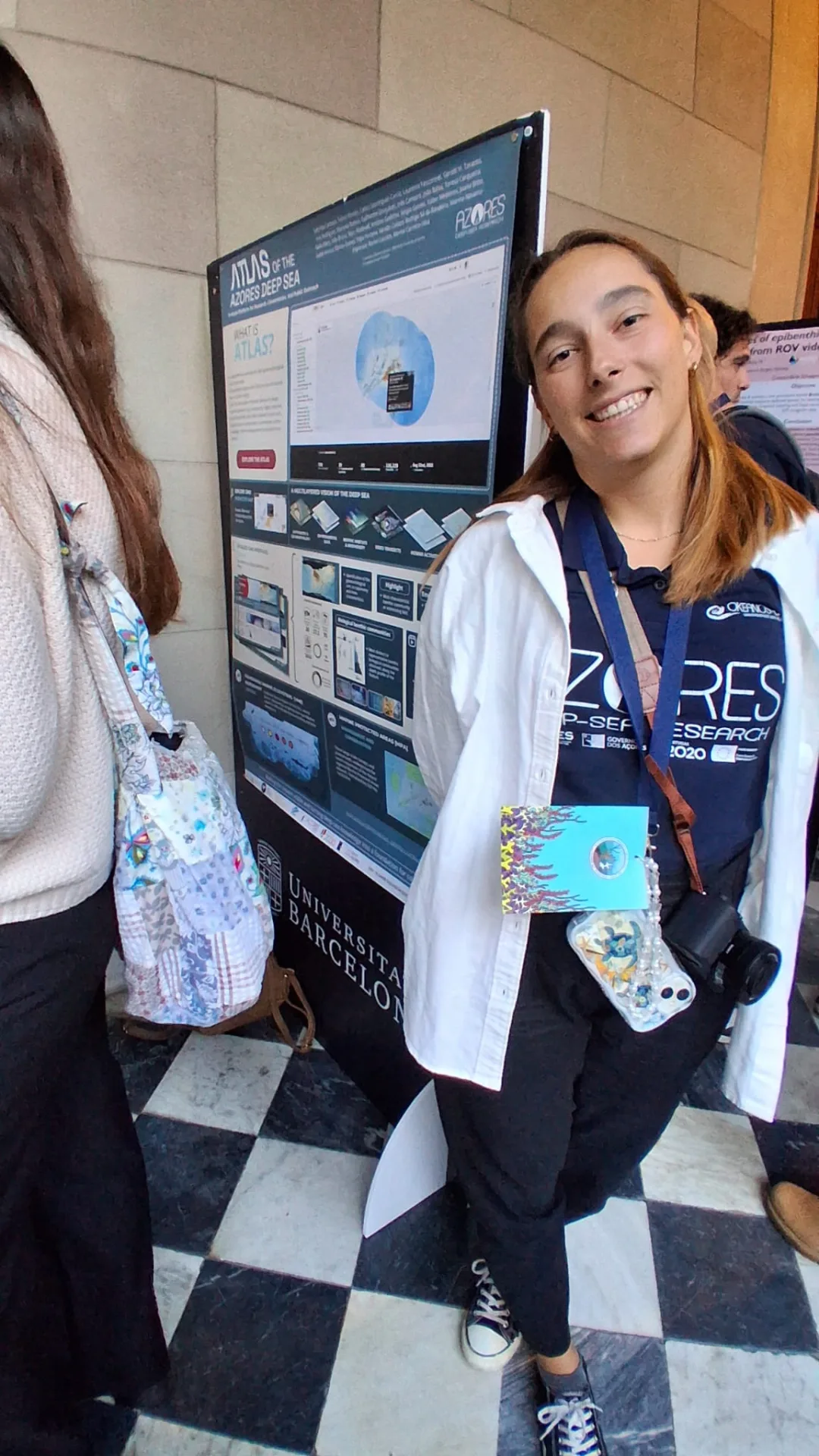
- Gabriela Rocha Cardoso – ATLAS of the Azores Deep Sea: A Visual Platform for the Hidden World of Cold-Water Corals
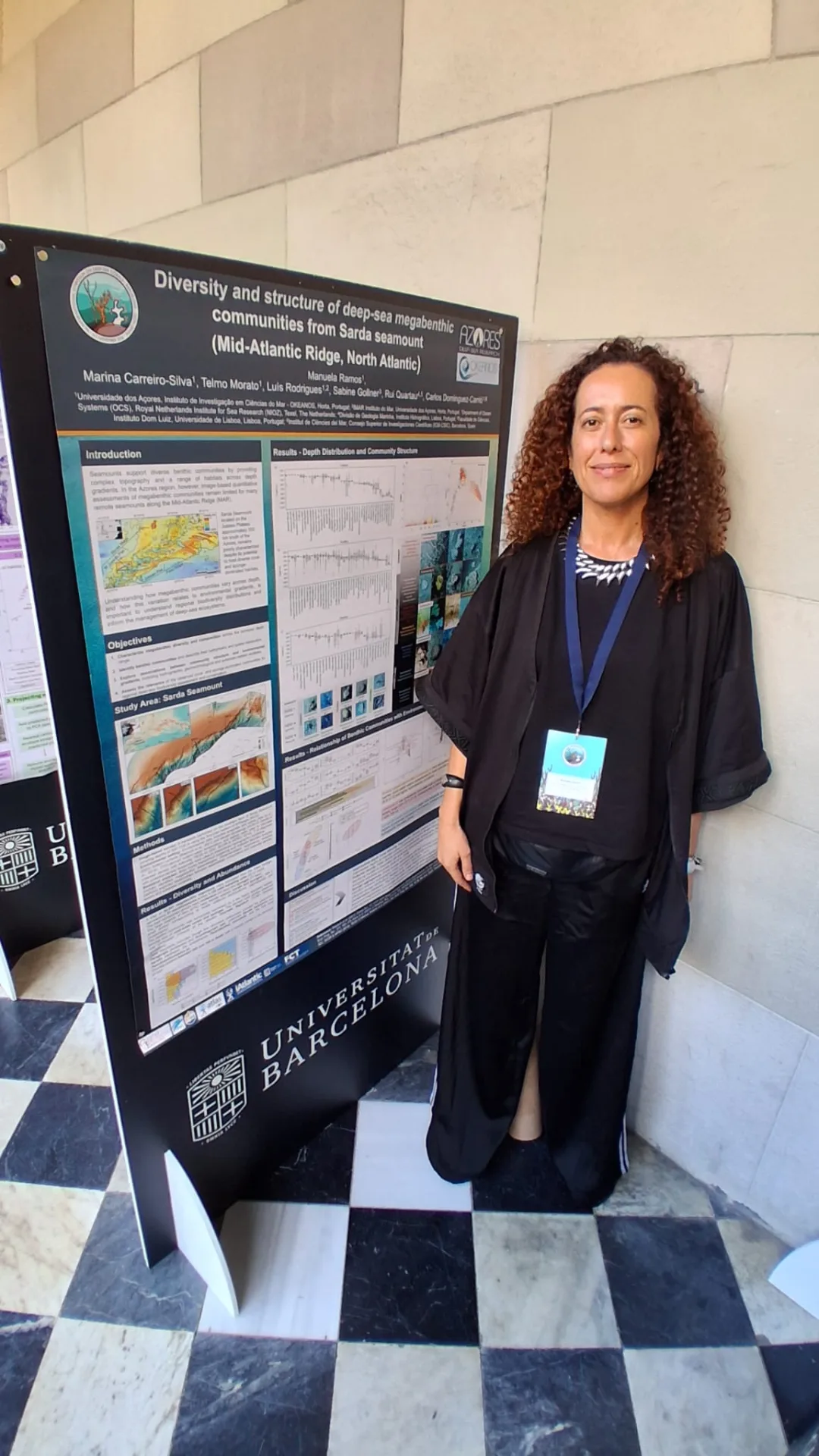
- Manuela Ramos – Diversity and structure of deep-sea benthic communities in Sarda Seamount (Mid-Atlantic Ridge, North Atlantic)
- Emily Corrigan – Molecular responses of the cold-water coral Desmophyllum dianthus to cumulative impacts of ocean acidification and reduced food availability
- Lara Morgenthaler – Cumulative effects of longline fishing damage and climate change on the cold-water octocorals Dentomuricea aff. meteor and Viminella flagellum (Azores, Atlantic)
Oral Communications (Talks)
- Marina Carreiro-Silva – Ecological restoration and reproduction resilience of cold-water coral habitats under a warming climate
- Telmo Morato – Spatial distribution of habitat-forming cold-water corals in the Azores to inform conservation and the new Nature Restoration Regulation
- Gal·la Edery – Identifying critical early life history stages in cold-water corals to support restoration success
- Beatriz Arzeni – Synergistic impacts of ocean warming and deep-sea mining on the physiology of the black coral Antipathella wollastoni
- David Price – 3D species distribution modelling of cold-water corals on submarine cliffs
One of the highlights of the first day was the recognition awarded to Gabriela Rocha Cardoso, who received the Best Poster Award in the Diversity and Distribution session for the work titled “ATLAS of the Azores Deep Sea: A Visual Platform for the Hidden World of Cold-Water Corals,” which features a visual platform dedicated to showcasing the biodiversity of deep-sea corals in the Azores.
The presence of the team at this symposium provides an opportunity to highlight the research conducted at OKEANOS, foster knowledge sharing, and strengthen collaboration with the international scientific community dedicated to the study and conservation of deep-sea ecosystems.