
O
K
E
A
N
O
S
Coleção de Referência da Biodiversidade Marinha dos Açores
Since 1976, COLETA has gathered over 19,000 biological records of Azorean marine life.
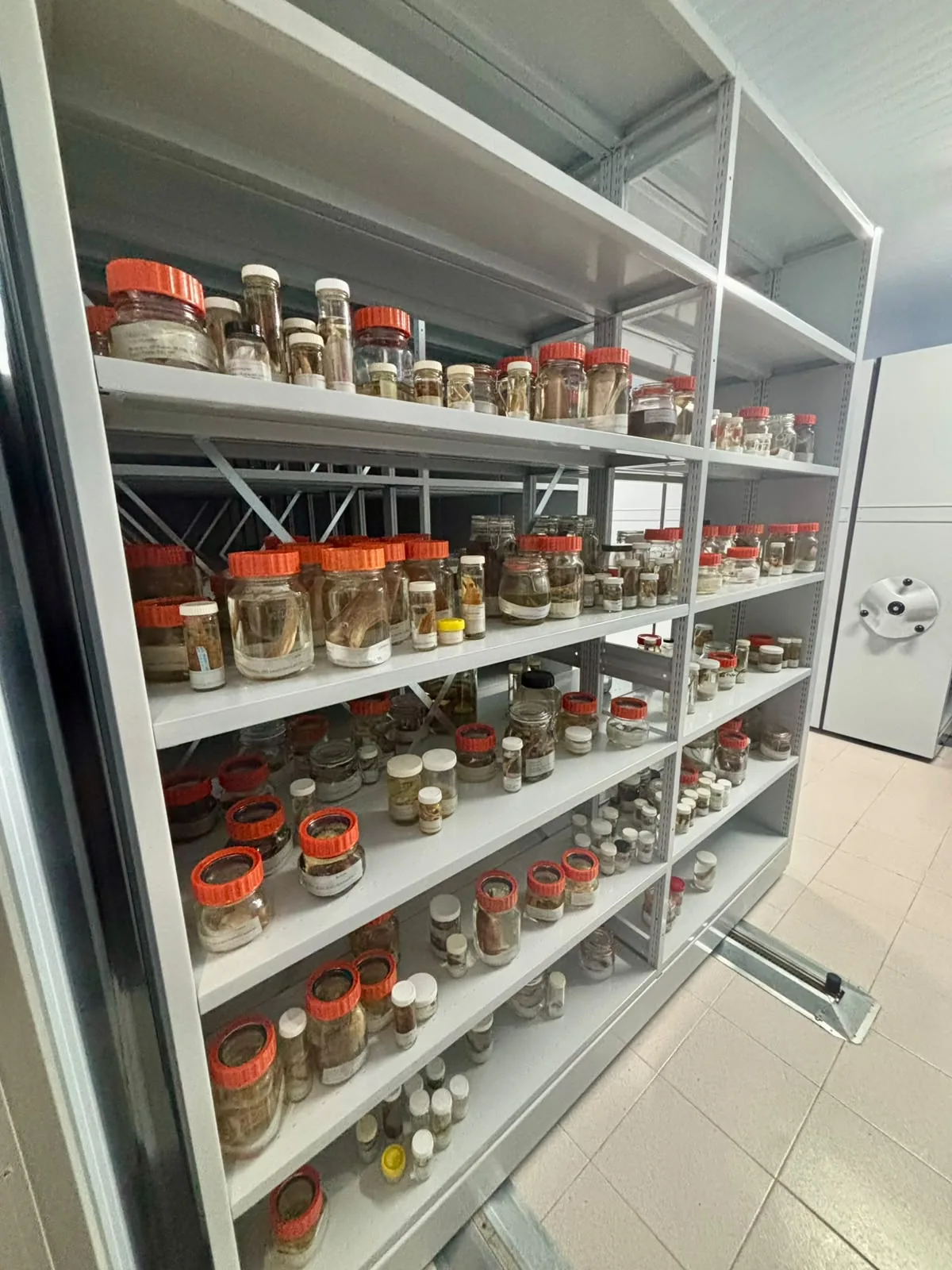
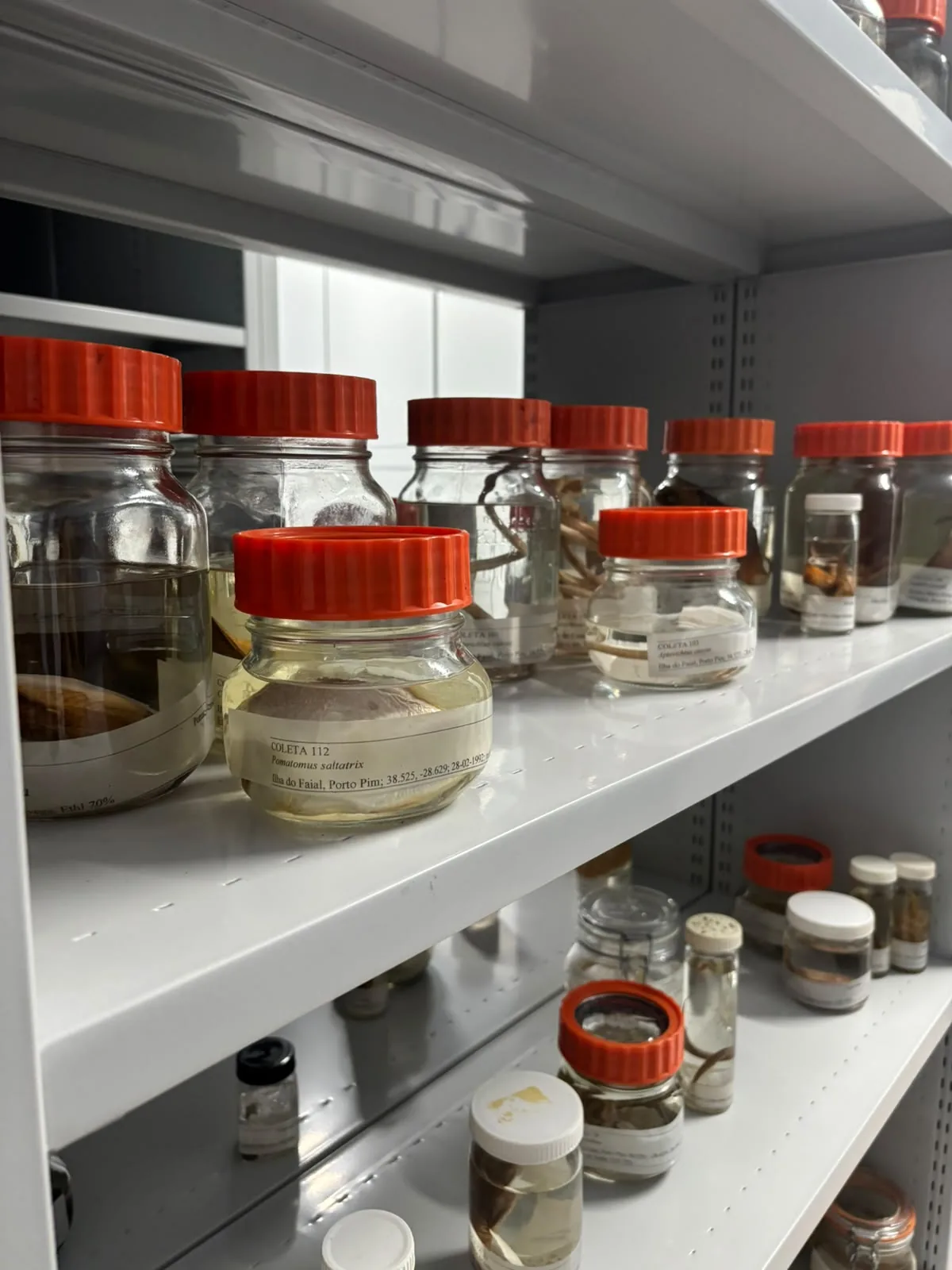
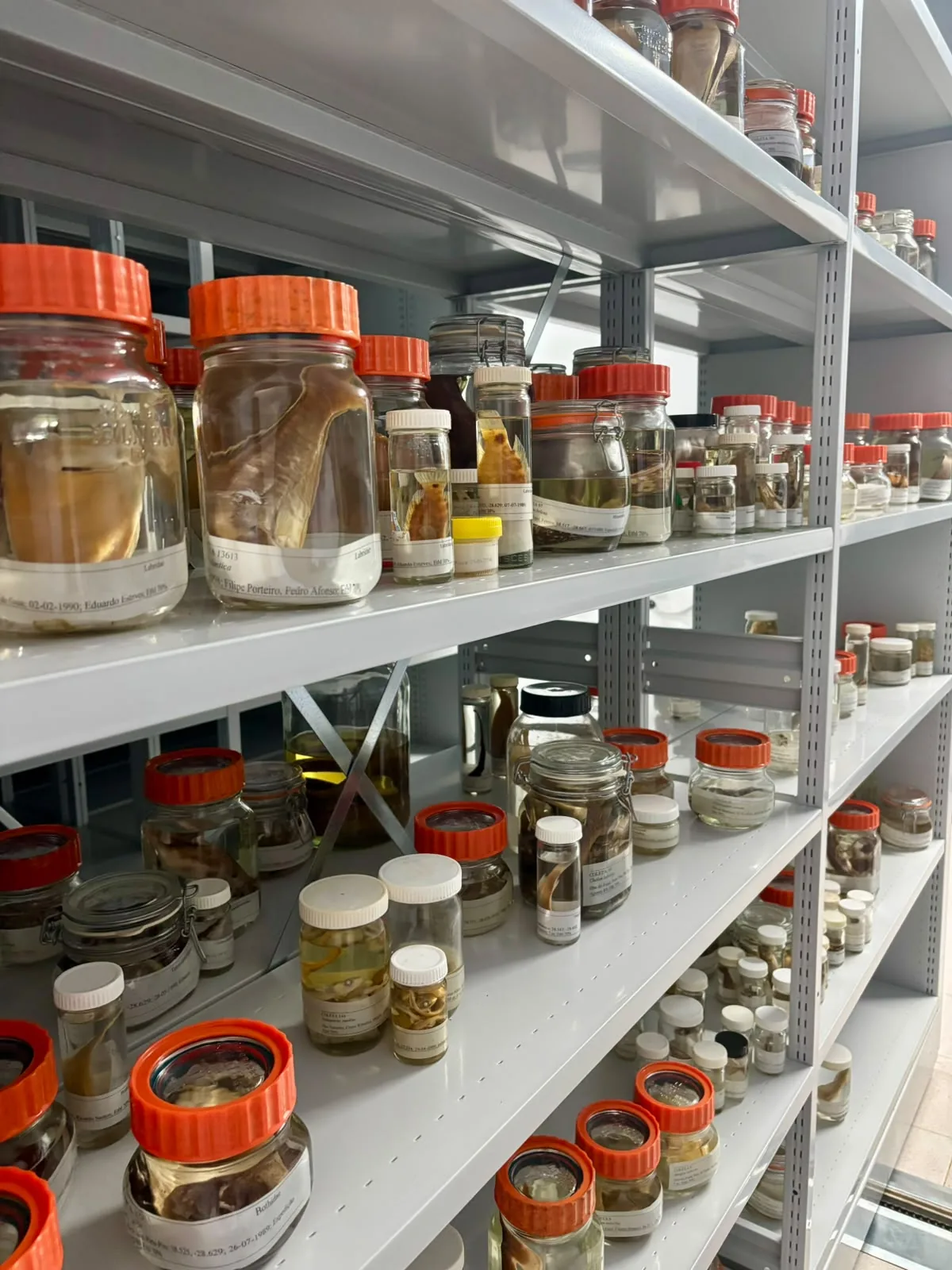
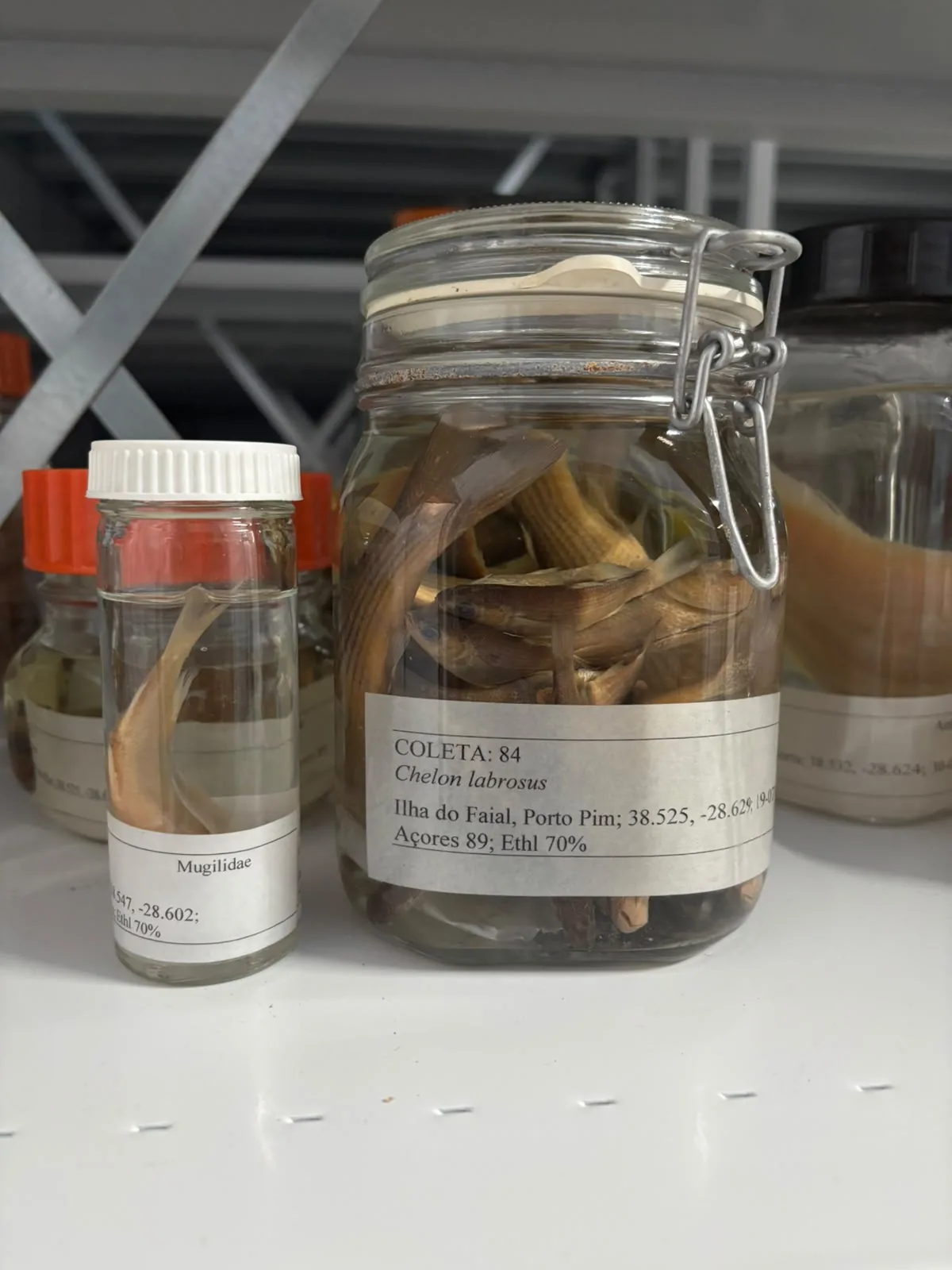
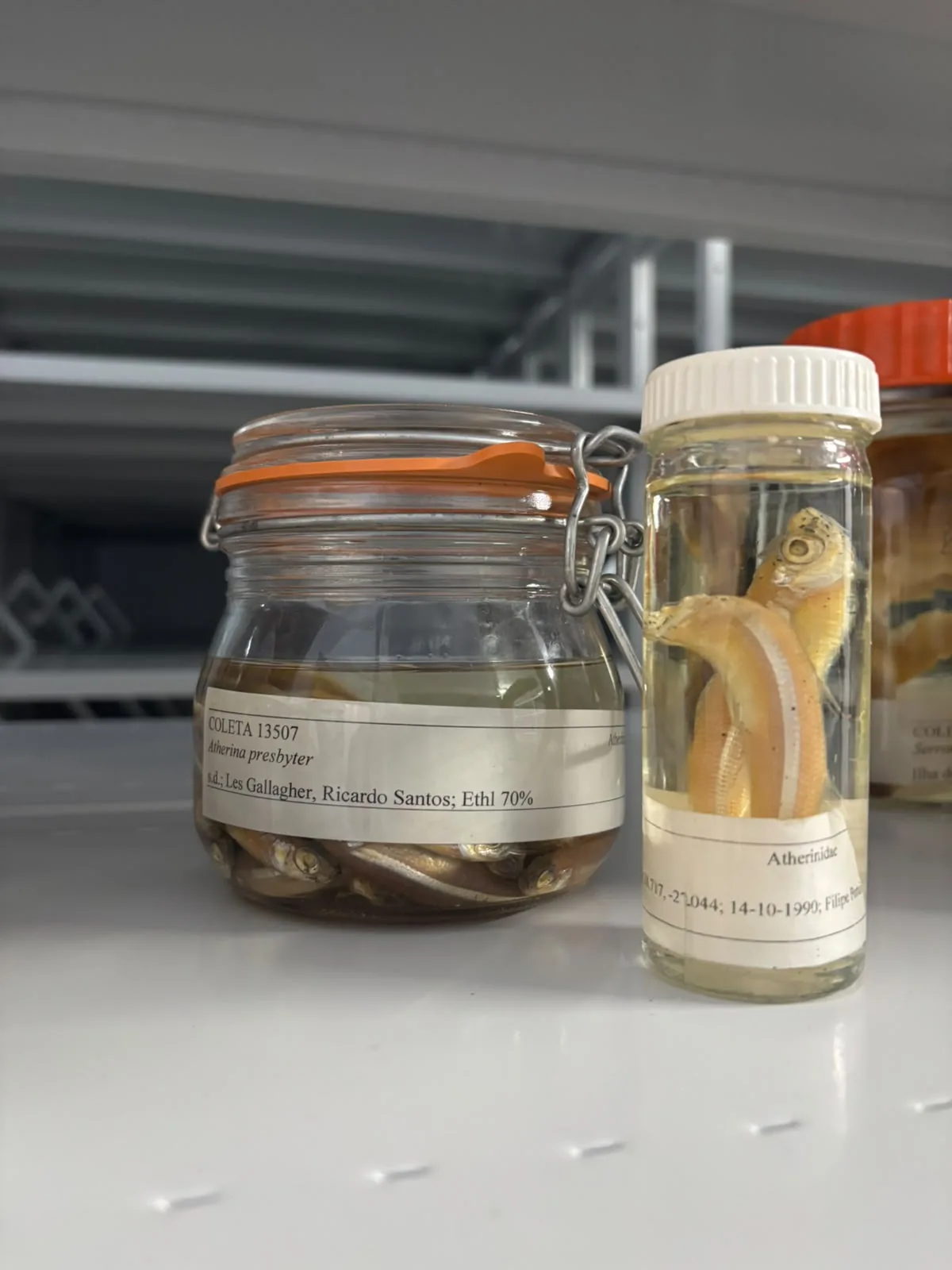
COLETA is the OKEANOS's scientific reference collection for the marine biodiversity of the Azores — it preserves specimens of sponges, corals, crustaceans, molluscs, including cephalopods, echinoderms, fish and several other marine taxonomic groups, gathered through five decades of scientific campaigns, monitoring programmes and collaborations with local fishermen.

OKEANOS — ORIGINS — YEAR 1976
1976
As the DOP takes its first steps, Helen Martins understood the scientific value of a biodiversity reference collection. She founded and curated COLETA, keeping voucher specimens to support research on biodiversity and conservation of marine resource and habitats of the Azores coastal and deep-sea waters. Helen collected specimens from any campaign, monitoring program and from the fruitful win-win relationship she established with local fishermen.
OKEANOS — ESTABLISHED — YEAR 2006
2006
The collection was formally coined with the name COLETA, and keeps growing through research projects, oceanographic cruises and fisheries observation programmes. The solid COLETA catalogue was finally established. Deep-sea faunas were systematically collected and preserved to support the growing scientific projects, unveiling the wonders living over the bottoms of the Azores region.
OKEANOS — TODAY — YEAR 2026
TODAY 2026
The old collection is being recovered and reorganised; OKEANOS acquired a new climate-controlled storage room and new optical and photo equipment, and is pushing for a new curation and cataloguing effort. The work is supported by the infrastructure project PORBIOTA.
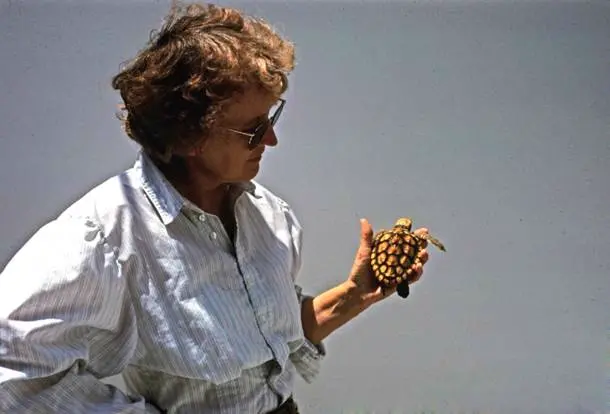
Helen Martins, COLETA's founder.
Collections like COLETA are foundational to marine science: they allow for species inventories, resolve species-identification doubts, document species distribution contributing to biogeographic approaches, allow for ecological studies as predator-prey relationships and food webs, and give fisheries management and conservation efforts something concrete to check against.
That value already showed up. COLETA specimens have contributed to peer-reviewed research on taxonomy, population genetics and life history and its records have helped characterise the Azores' deep-sea vulnerable marine ecosystems, feeding into the process to define the updated Azores Marine Protected Areas Network (RAMPA).
For more information about COLETA see: Sampaio et al. 2019.
COLETA
COLETA's last full published count was in 2012. The totals and species-distribution charts below now reflect the current internal database (April 2026) — the collection has kept growing since, with a strong re-cataloguing push since 2017, and an even fuller picture is still on its way.
19,335
Specimens & samples
13,463
Catalogued database entries
Sponges
Porifera
2,345 records
2nd
Corals & sea fans
Cnidaria
5,544 records
1st
Moss animals
Bryozoa
1,082 records
3rd
The three largest groups by record count, current internal database.
37 threatened species
37 specimens in the GBIF-indexed snapshot belong to species formally listed as Vulnerable or Critically Endangered on the IUCN Red List.
2 species new to the Azores
Pachastrella ovisternata and Petrosia vansoesti were first recorded for the Azores from COLETA specimens (Pereira, 2013).
A 19th-century thread
COLETA's records have been cross-referenced with historical Azorean specimens from Prince Albert I of Monaco's 19th-century oceanographic campaigns.
Sources
OKEANOS - Institute of Marine Sciences, University of the Azores (2026). COLETA reference collection database [unpublished data]. Internal export, April 2026 — used for the specimen & database totals, podium, and the phylum, class & collection-method charts above.
Sampaio, Í., Morato, T., Porteiro, F., Gutiérrez-Zárate, C., Taranto, G., Pham, C., Gonçalves, J. & Carreiro-Silva, M. (2019). The Value of a Deep-Sea Collection of the Azores (NE Atlantic Ocean): Marine invertebrate biodiversity in an era of global environmental change. Biodiversity Information Science and Standards, 3, e37209. https://doi.org/10.3897/biss.3.37209
IMAR-Azores/DOP-UAç (2015). COLETA - IMAR/DOP-UAz reference collection from 1977 to 2012. Occurrence dataset. https://doi.org/10.14284/23 — the 2012 snapshot.
All figures above are periodic snapshots, not a live count.
Coast
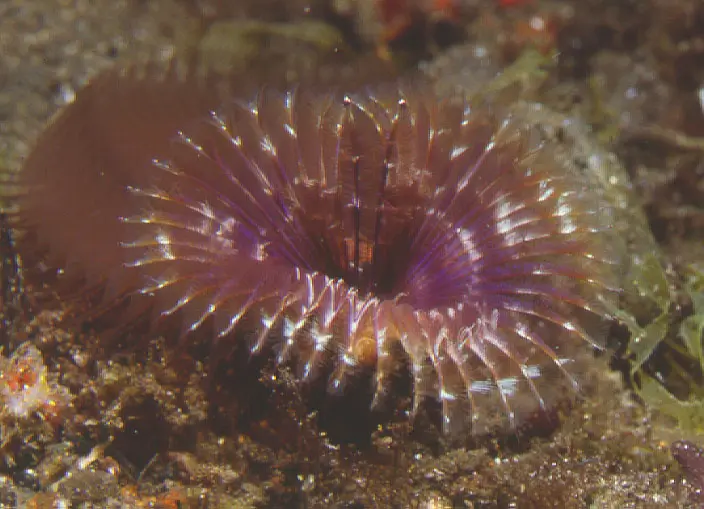
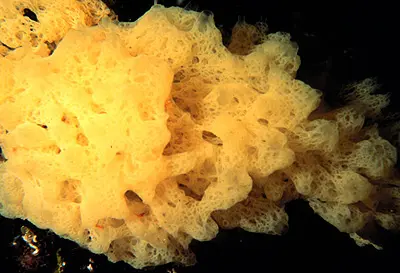
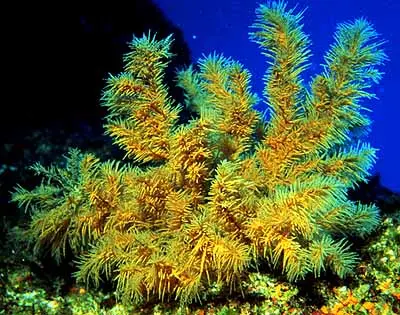
COLETA's specimens range from shallow coastal waters to the deep-sea ecosystems of the North Atlantic. Scroll to follow that range, coast to abyss.
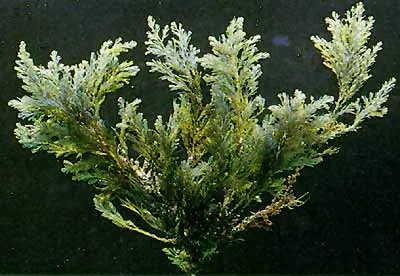
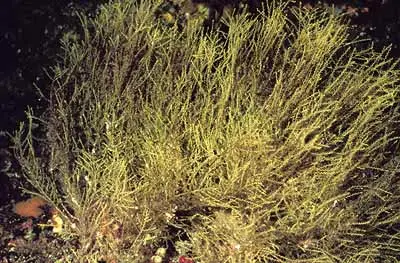
Algae
Algae
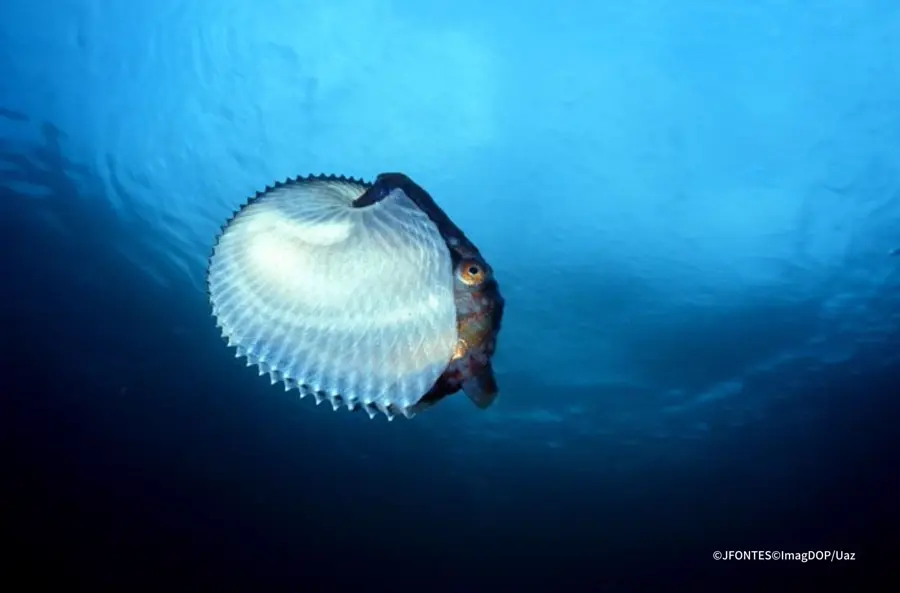
Molluscs
Mollusca
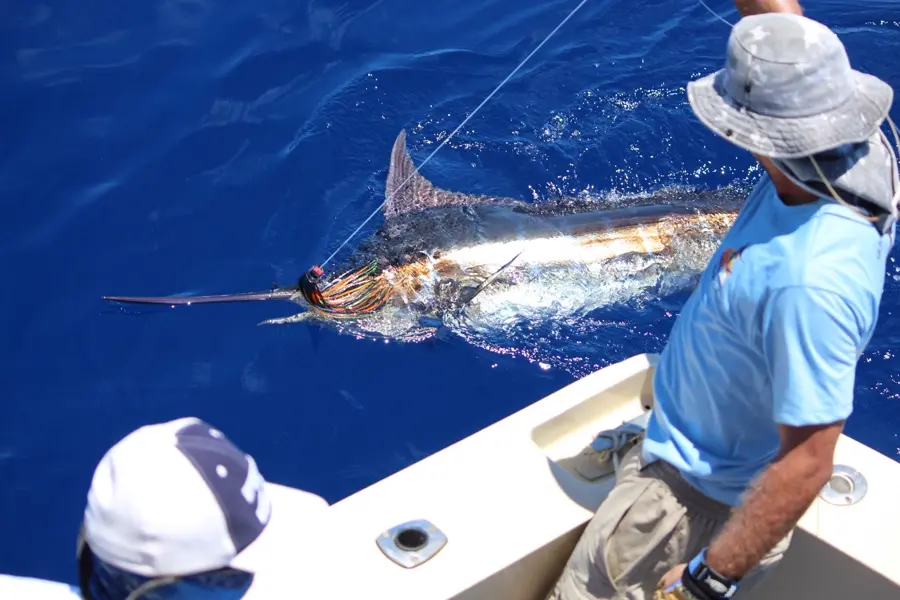
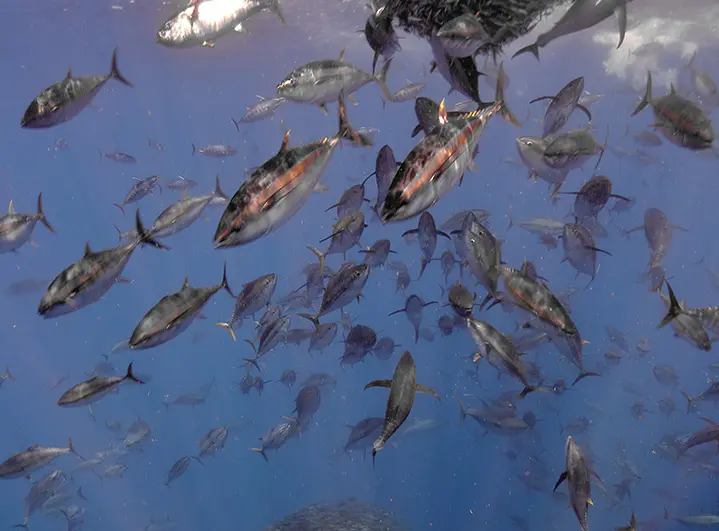
Fish
Actinopterygii
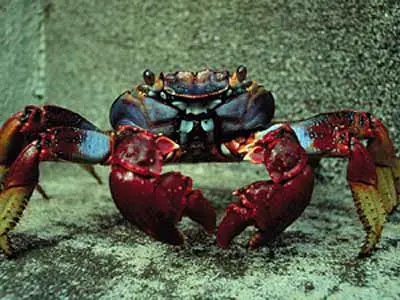
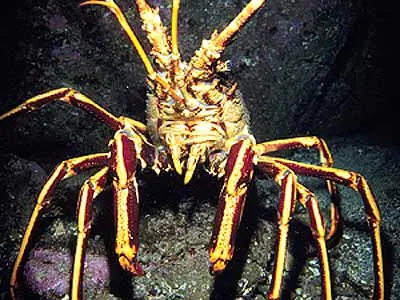
Crustaceans
Crustacea
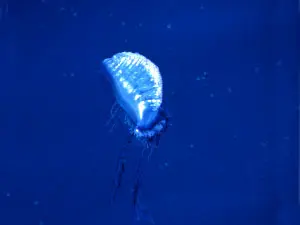
Hydroids
Hydrozoa
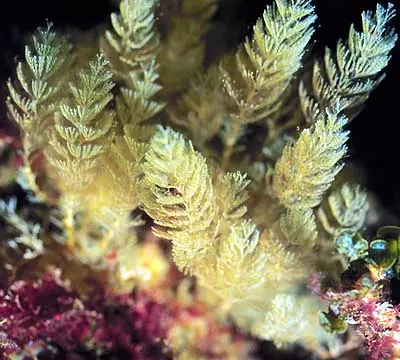
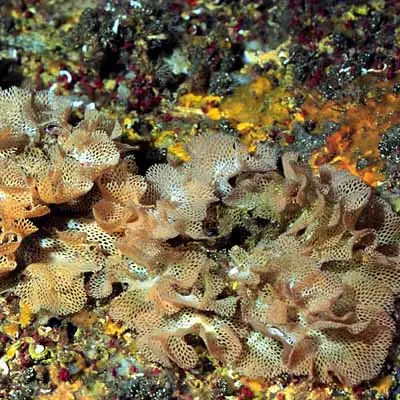
Moss animals
Bryozoa
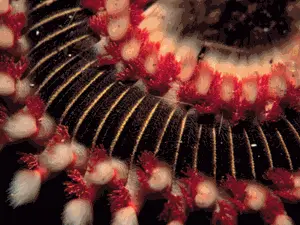
Segmented worms
Annelida
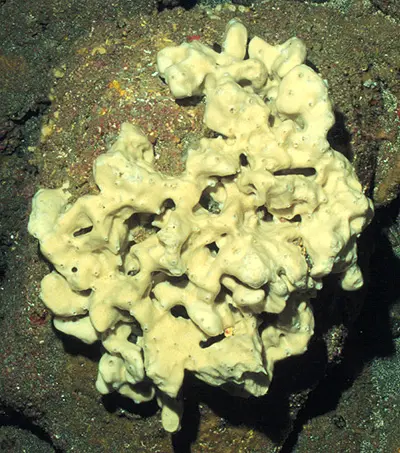
Sponges
Porifera
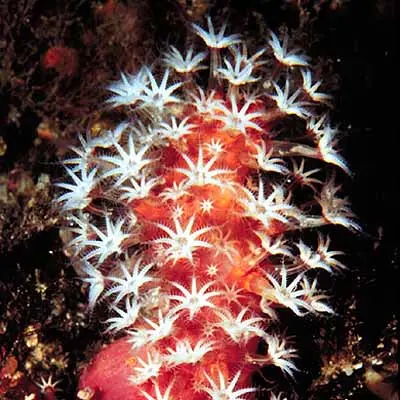
Corals
Anthozoa
Among its deepest holdings, COLETA has helped document the Azores' vulnerable marine ecosystems — deep-sea coral and sponge habitats now recognised as some of the region's most fragile.
DEEP-SEA LABMEDIA

Financiado por fundos nacionais através da FCT - Fundação para a Ciência e a Tecnologia, I.P., no âmbito dos projetos UID/05634/2025 (DOI: 10.54499/UID/05634/2025), UID/PRR/05634/2025 (DOI: 10.54499/UID/PRR/05634/2025) e UID/PRR2/05634/2025 (DOI: 10.54499/UID/PRR2/05634/2025).
Contact us
Find us
OKEANOS - Instituto de Investigação em Ciências do Mar
Universidade dos Açores
Rua Prof. Doutor Frederico Machado, 4,
9901-862 Horta, Faial, Açores, Portugal
OKEANOS



Management

Funding

OKEANOS WEB PORTAL © Okeanos-UAç, All Rights Reserved - 2026 — version 1.0.1
 LUÍS VALENTIM
 VALTER MEDEIROS