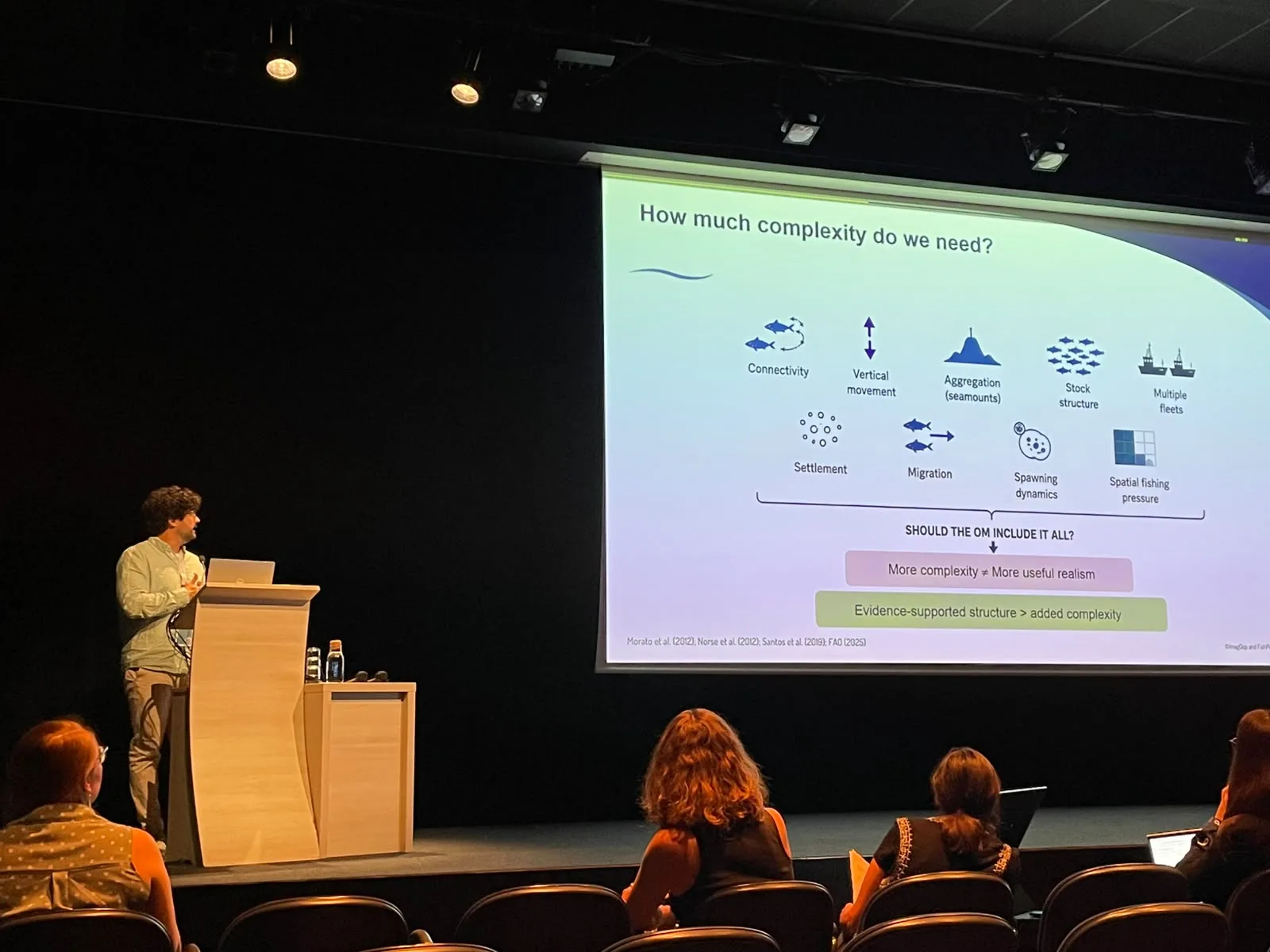
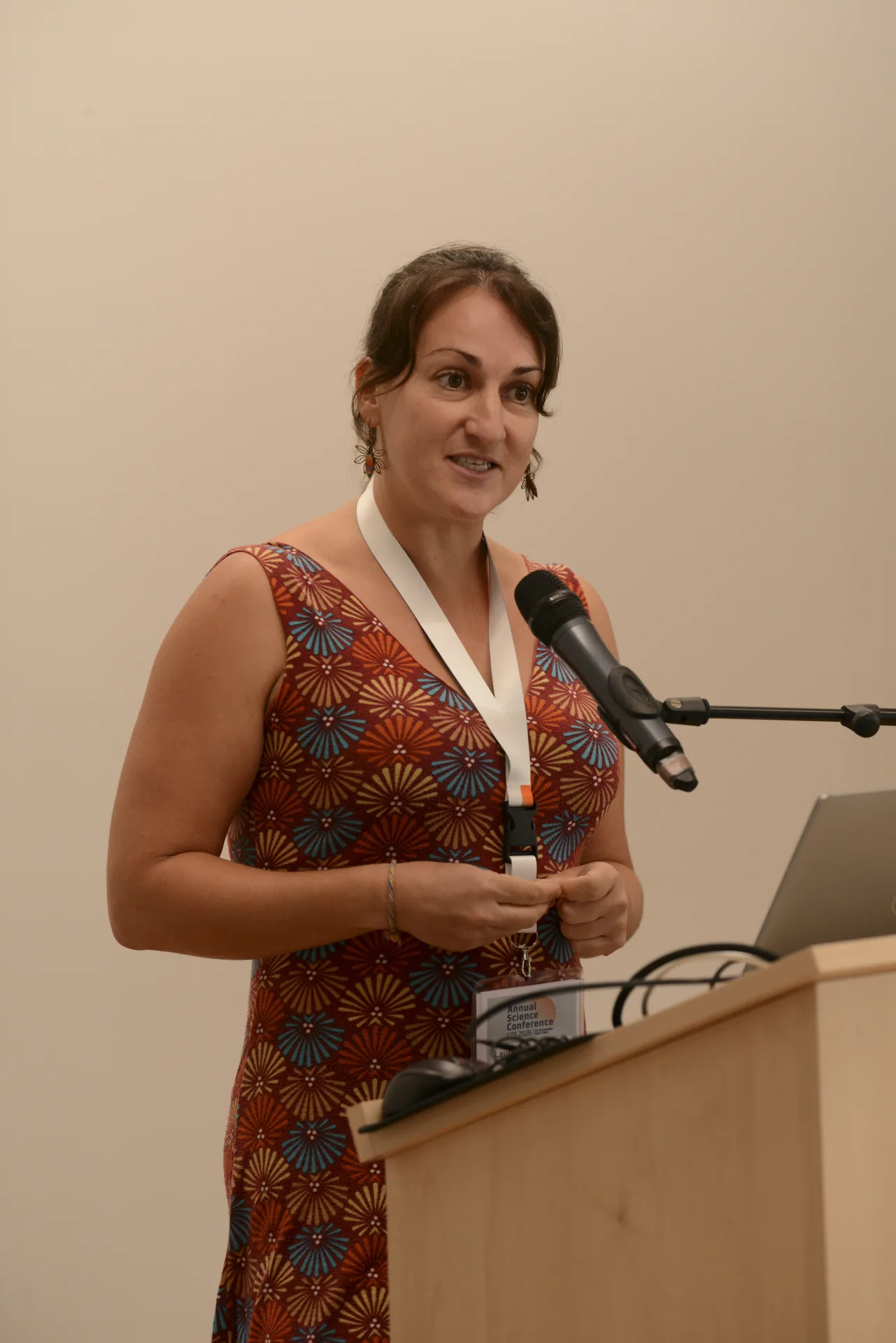
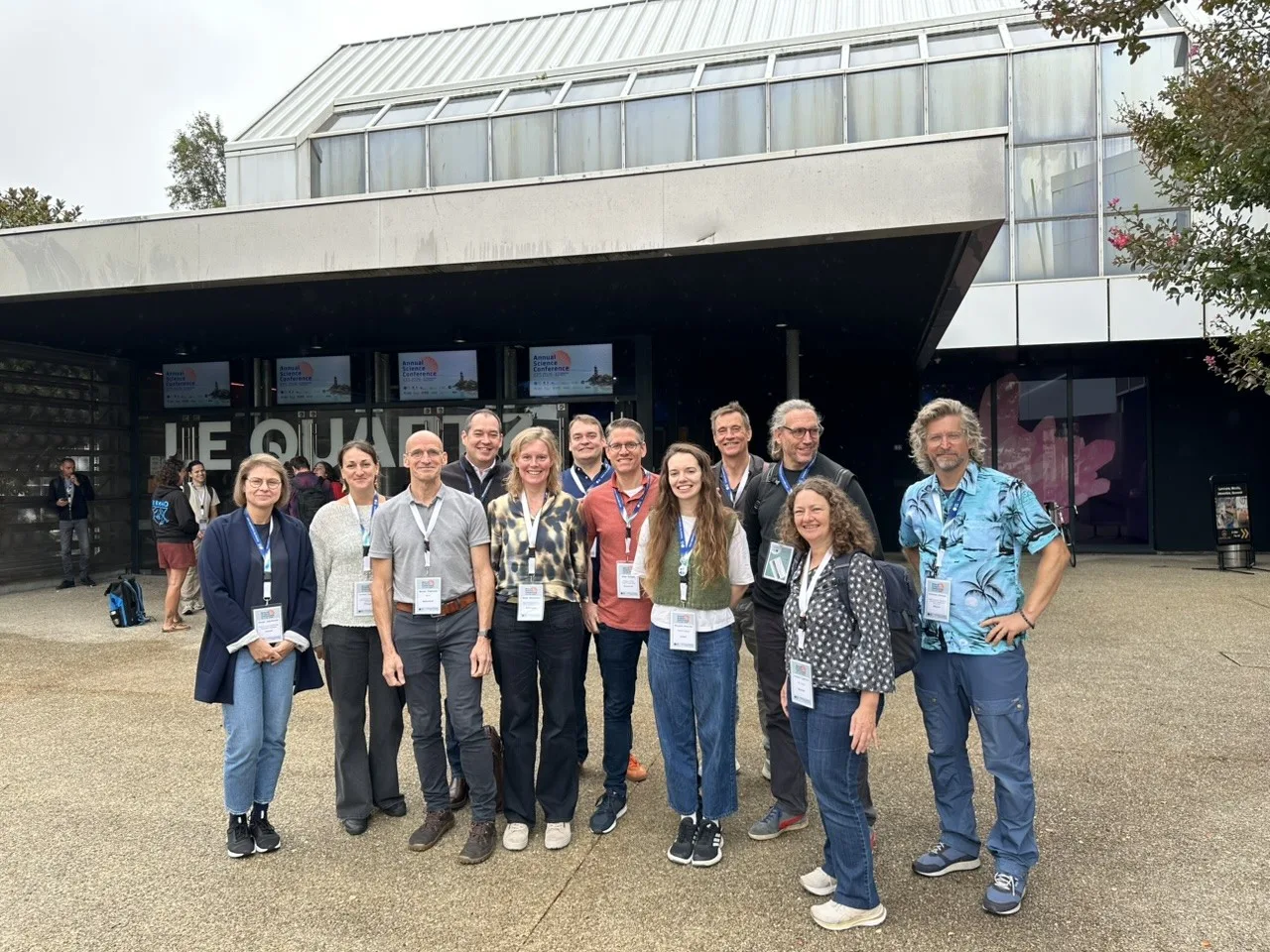
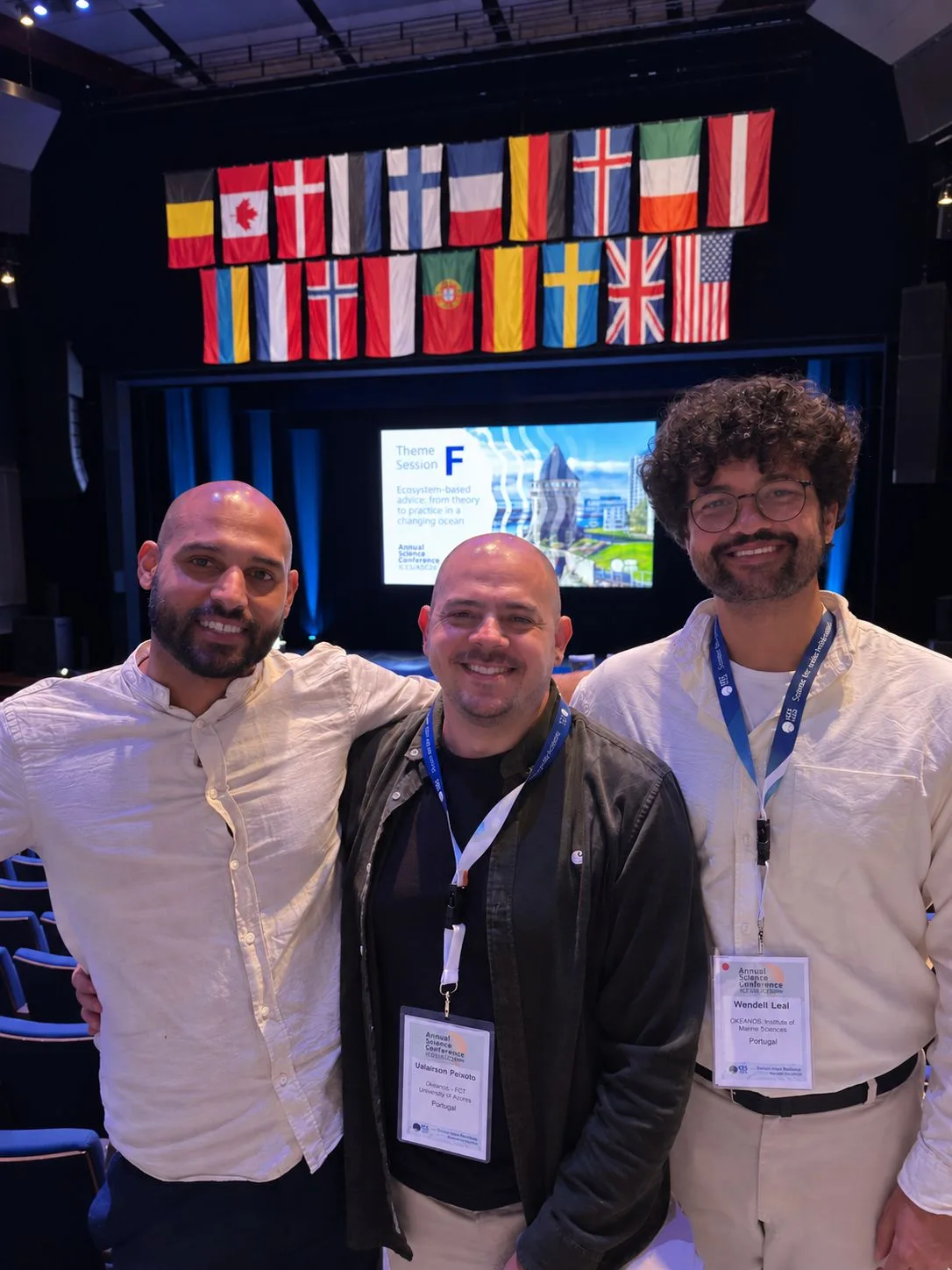
From 14 to 18 September, researchers from OKEANOS participated in the ICES Annual Science Conference 2026, in Brest, France.
Representing the
Azores Fisheries Research Team, Ualerson Peixoto, Wendell Medeiros-Leal and Osman Crespo contributed to the conference with
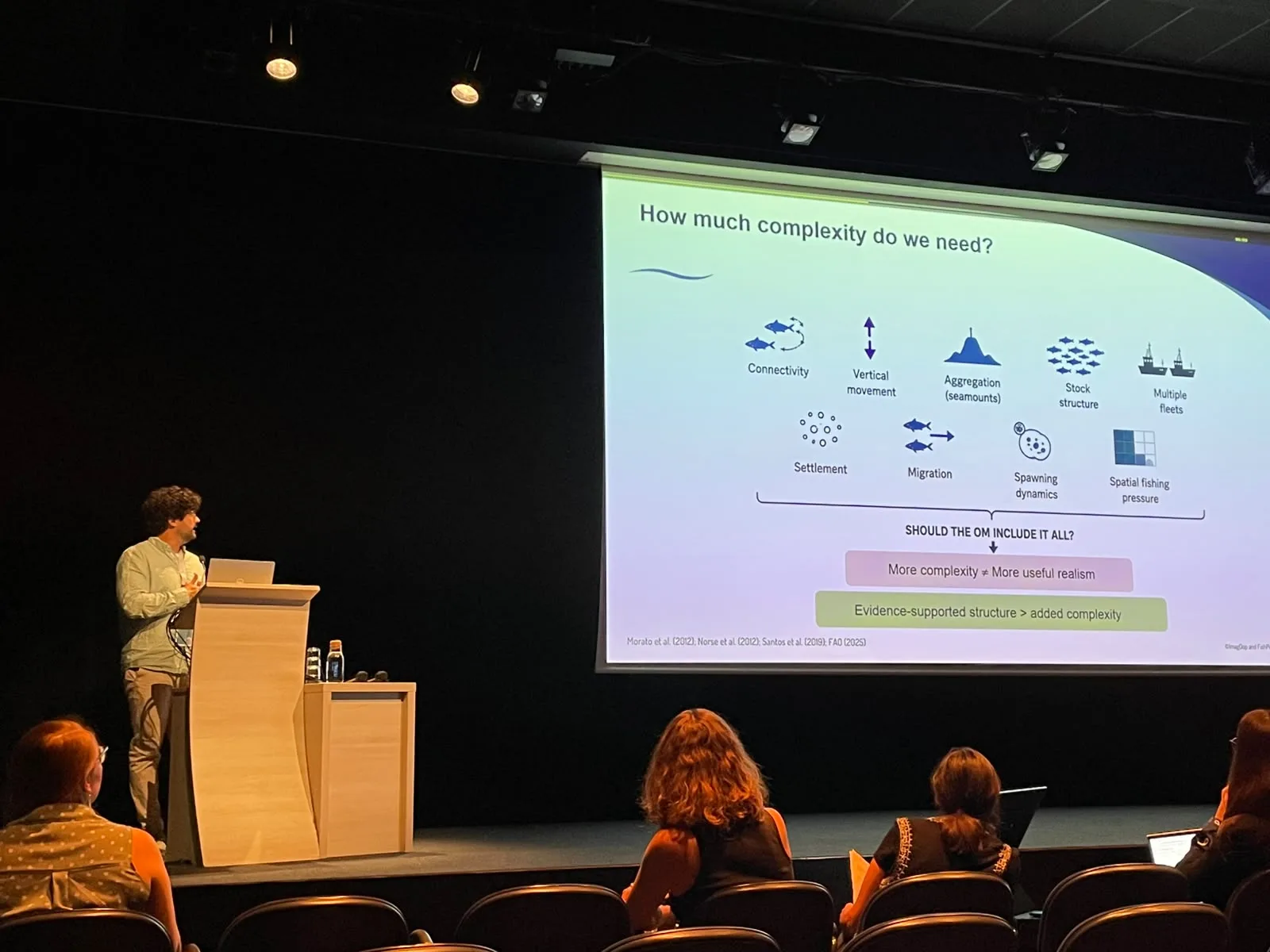
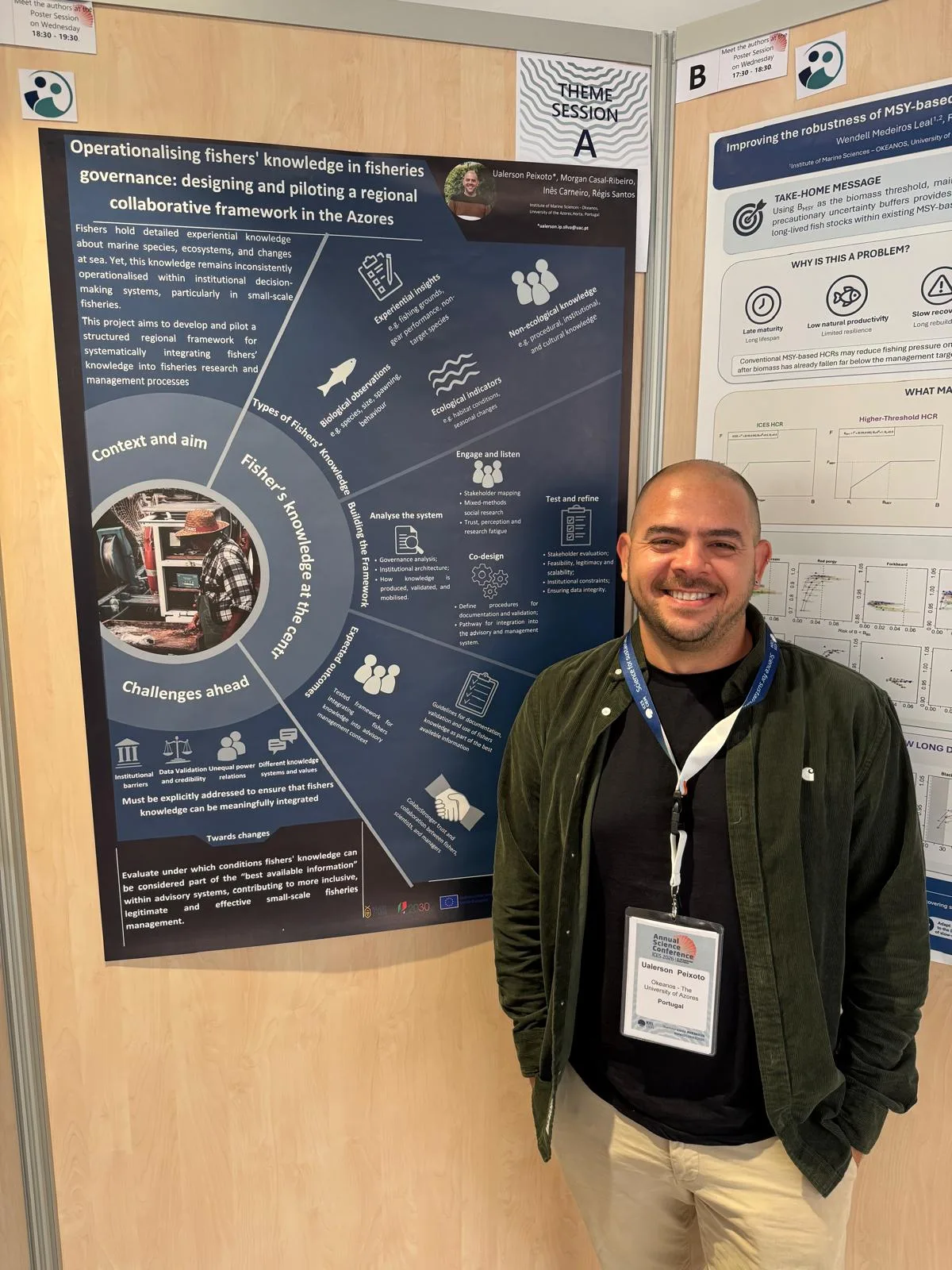
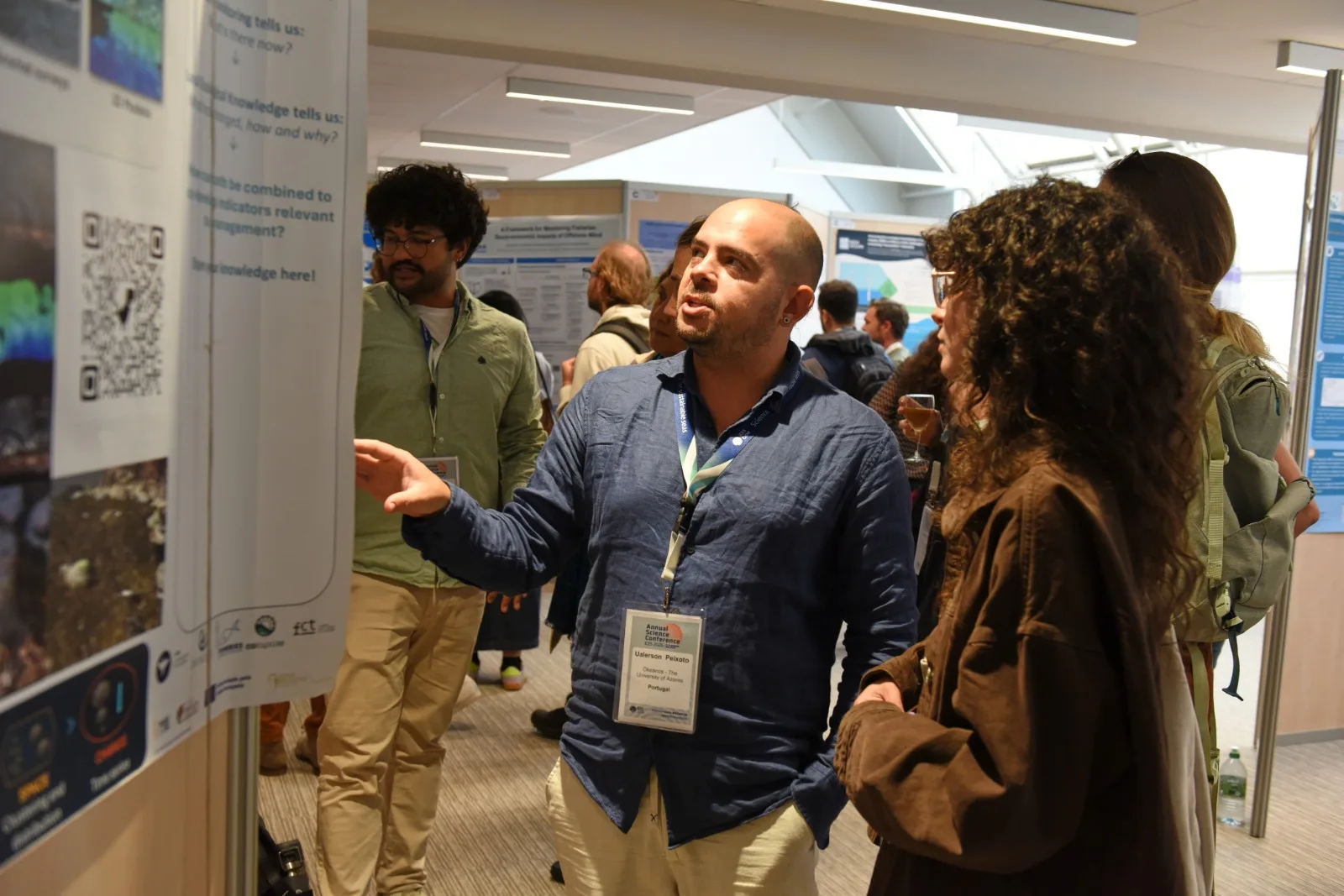
four posters and two oral presentations:- Dr. Ualerson Peixoto presented “Operationalising Fishers’ Knowledge in Fisheries Governance” and two posters on the development of novel techniques for shellfish stock health monitoring, highlighting efforts to combine scientific approaches, innovative monitoring tools and fishers’ knowledge to support more collaborative fisheries research and governance.
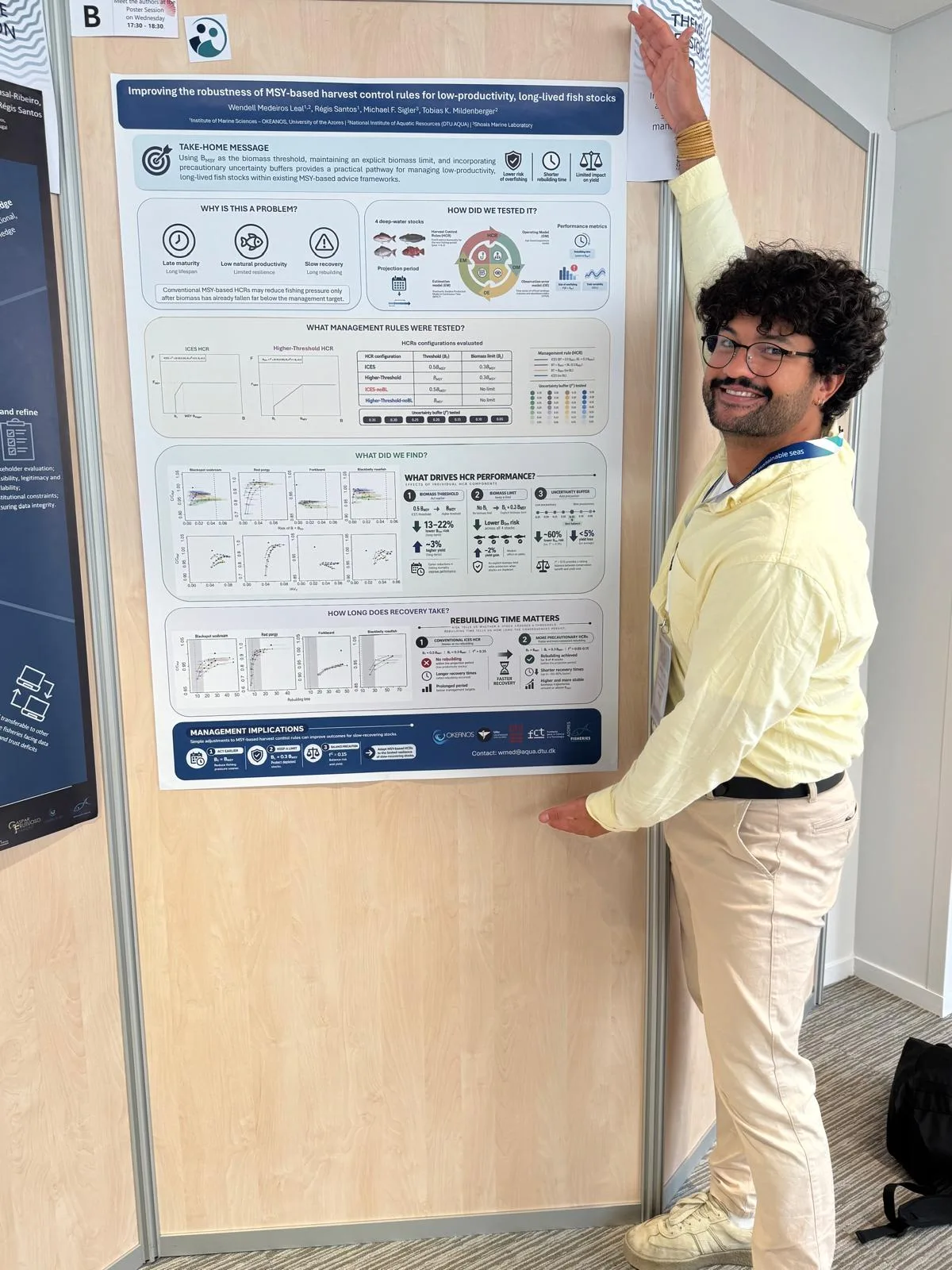
- Wendell Medeiros-Leal presented research on the development of management procedures for deep-sea fisheries in Areas Beyond National Jurisdiction (ABNJ), as well as a poster addressing harvest control rules and rebuilding times for low-productivity species.
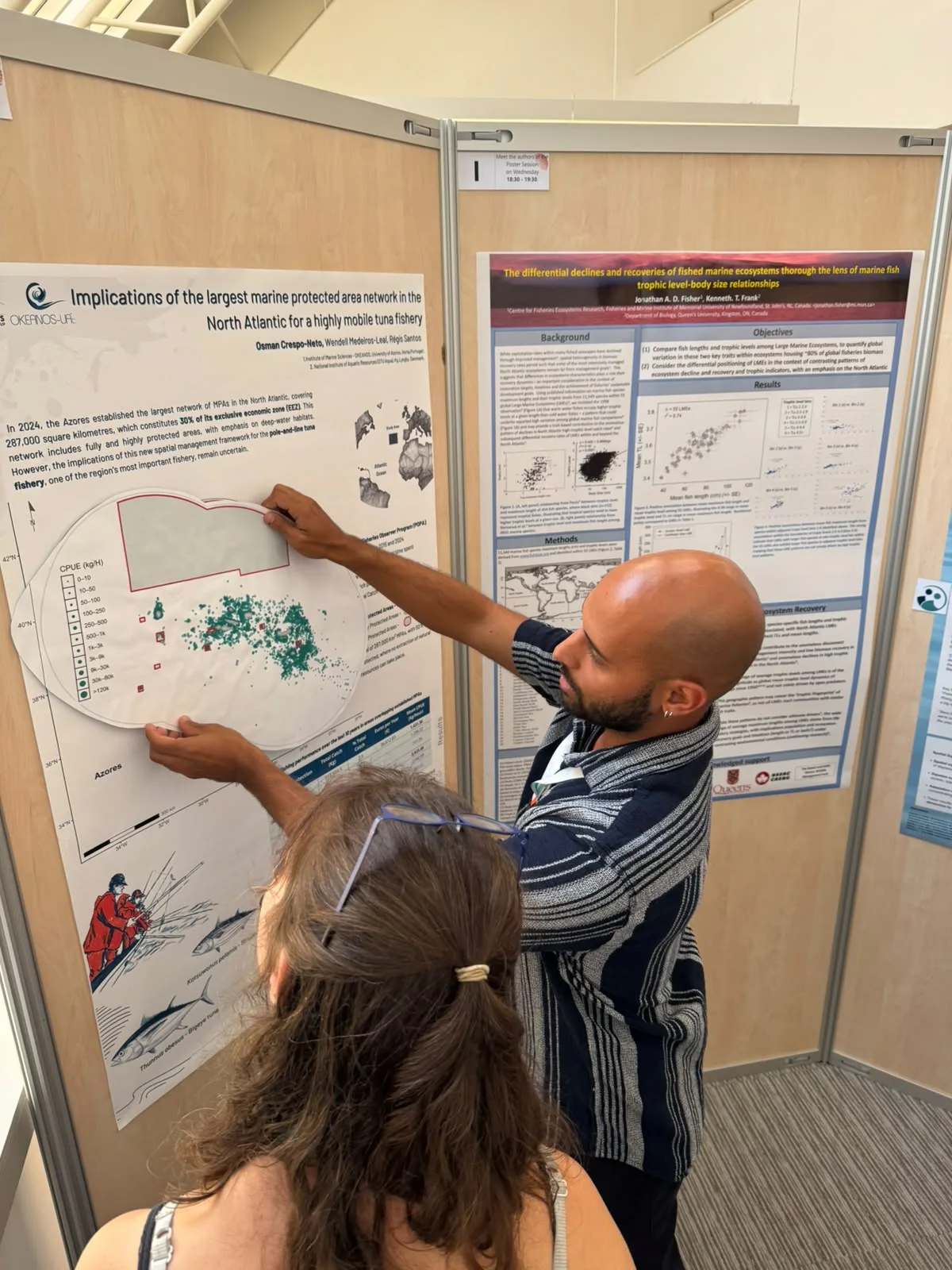
- Osman Crespo presented preliminary results on the potential impacts of the newest Azorean MPAs on local pole-and-line tuna fisheries, in a poster entitled “Implications of the largest marine protected area network in the Northeast Atlantic for a highly mobile tuna fishery”.
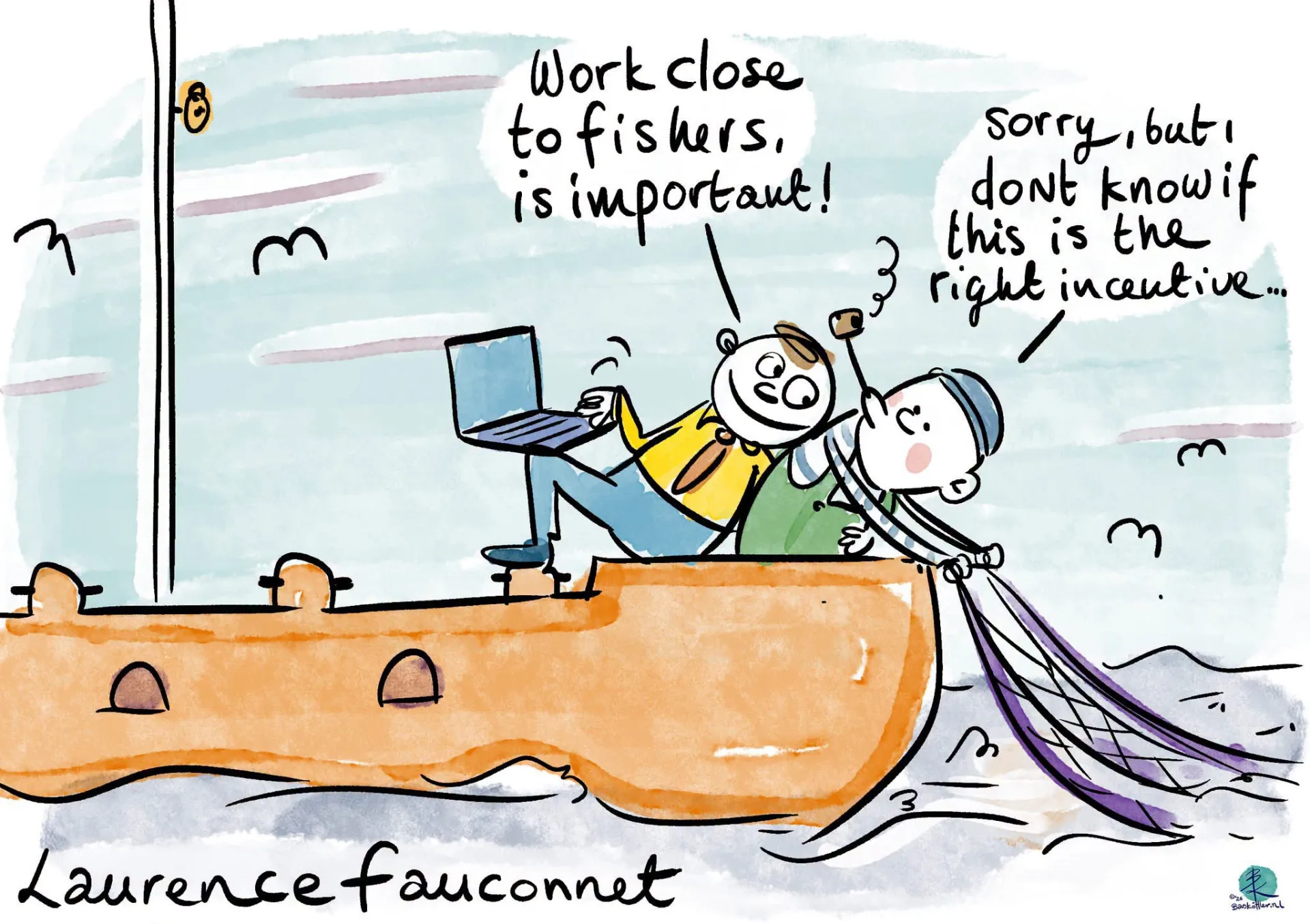
Laurence Fauconnet, researcher and co-leader of the
TubaProf research group, also presented her research about
“Bridging the Implementation Gap: Best Practices to Promote the Uptake of Selectivity Measures in EU Fisheries”, exploring why the uptake of tested bycatch-reduction measures in commercial fisheries remains limited.
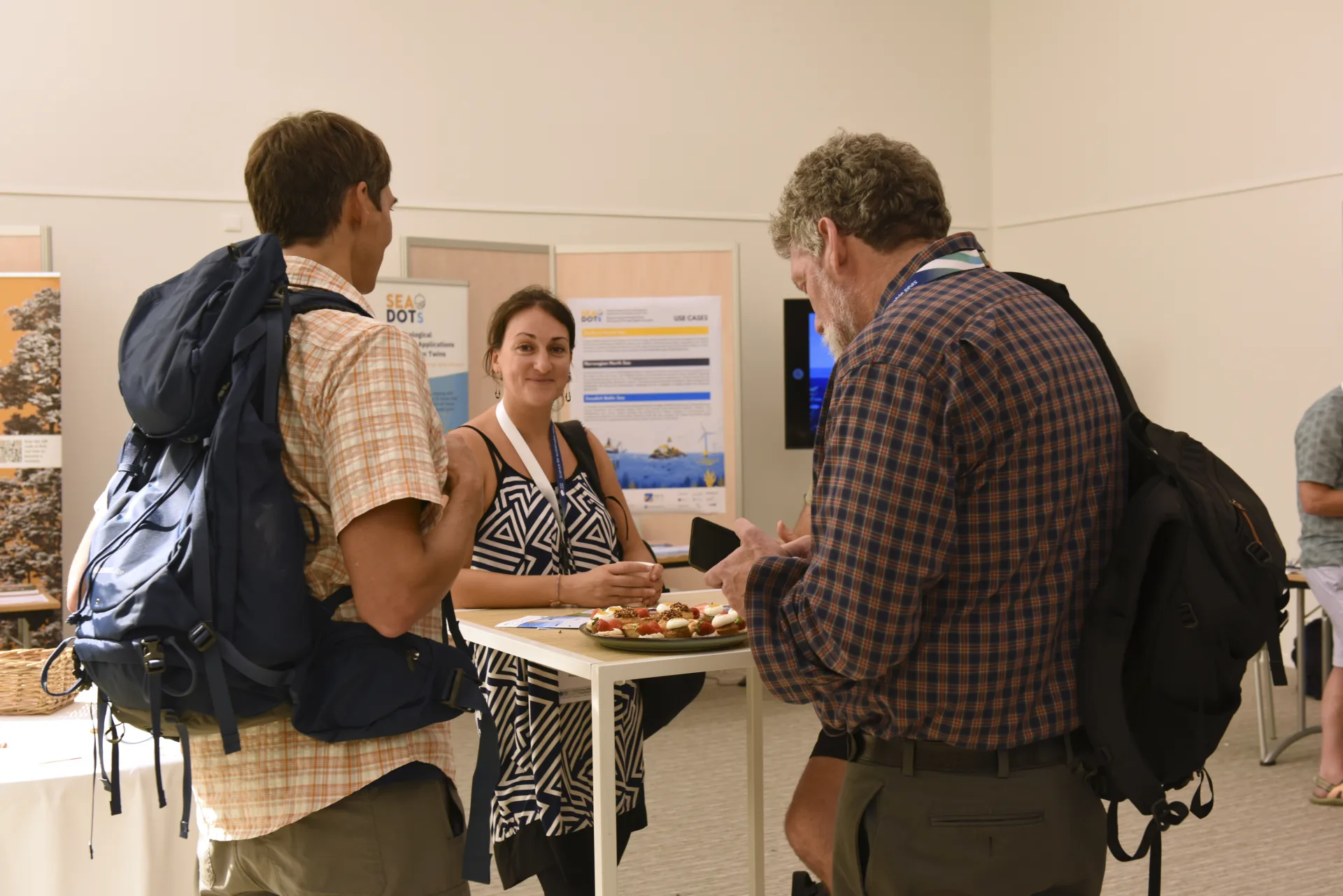
The conference was an opportunity to share our research from the Azores, exchange knowledge with international colleagues and strengthen collaborations towards more sustainable fisheries management.
Together, these contributions highlight the importance of
combining scientific knowledge, fishers’ experience and tailored management approaches to address the challenges facing fisheries. They also reinforce the value of
collaboration and knowledge exchange in developing more effective and sustainable solutions for fisheries across the Azores and beyond.
Participation was supported by OKEANOS, funded by national funds through FCT – Fundação para a Ciência e a Tecnologia, I.P..